Bosch Internship Case Study.pdf
Search
Summer Internship 2025
Bosch Global
Software Technologies


Design Intern
Engineering Technology & Innovation (ETI)
3 Months (2025)
A research-driven exploration of how Generative AI can be brought to the edge by mapping cross-domain user frustrations, analyzing feasibility challenges, and shaping early concepts that bridge the gap between technological potential and actual human needs.

Aditi Karthikeyan
Unitedworld Institute of Design
Context
An overview of my contributions to the project.
During my internship at Bosch Global Software Technologies, I worked within the Engineering Technology and Innovation division to explore how Generative AI could be applied to edge devices. My work focused on identifying practical use cases, understanding real user pain points, and evaluating whether these ideas were technically and contextually viable.
I conducted user interviews, organized insights, reviewed existing market solutions, and helped shape early concept directions that aligned with both user needs and system constraints.
Cloud Devices vs. Edge Devices
How processing location changes speed, reliability, and real-world performance
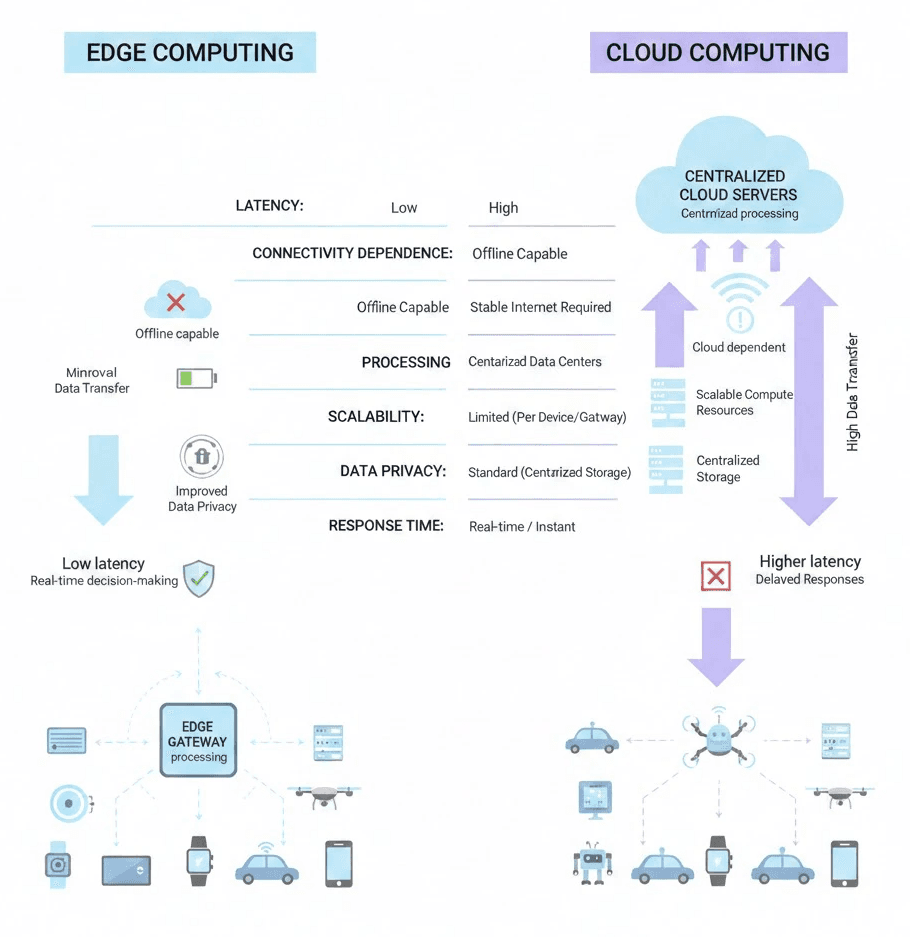
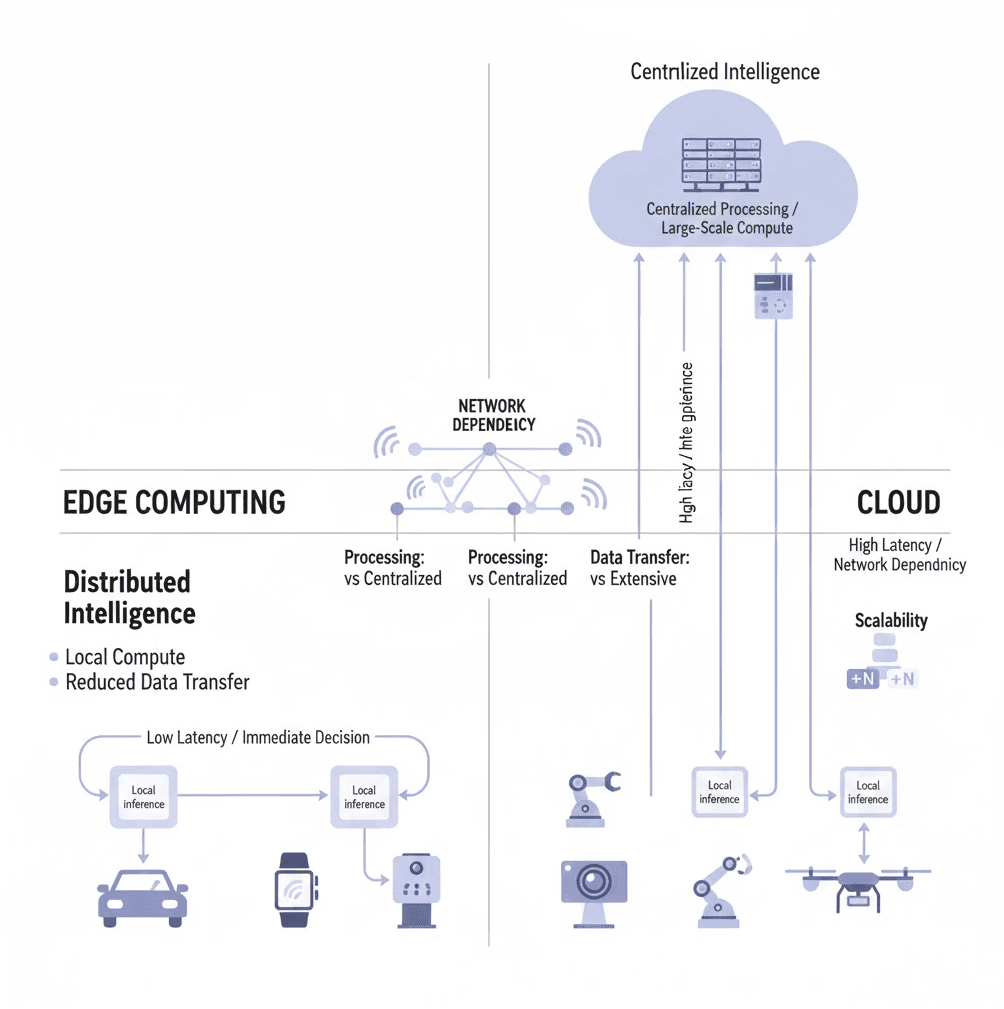
Cloud-based devices send data to remote servers for processing, which can cause delays and make performance dependent on internet connectivity. Edge devices process information locally, allowing them to respond faster and continue working even with weak or no network.
This distinction helped us understand why users across different domains faced slow responses, interruptions, and accuracy issues. It also highlighted where on-device AI could make devices more reliable and responsive in real-world conditions.
internship Timeline
How the work progressed over three months.
Over the course of the internship, I moved from user interviews to insight synthesis, followed by market research and finally early use case development. Each stage built on the previous one, helping shape concepts that were grounded in user needs and technical feasibility.
identify use cases for AI-on-edge across multiple domains
Understand real user frustrations and expectations
Validate problem areas through interviews and market research
Cluster insights into actionable themes for concept exploration
User Research
Understanding real user behaviour, challenges, and expectations across domains.
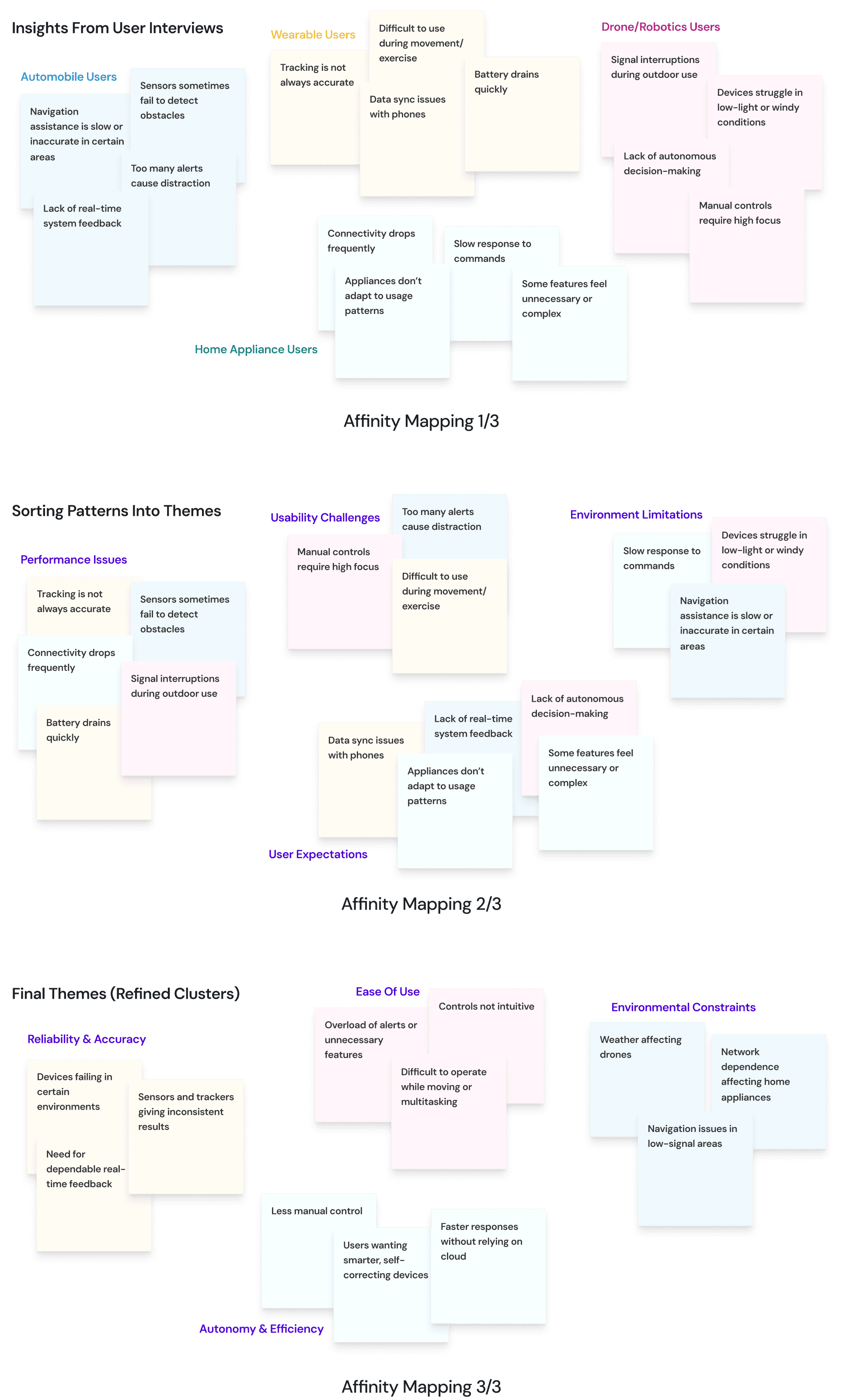
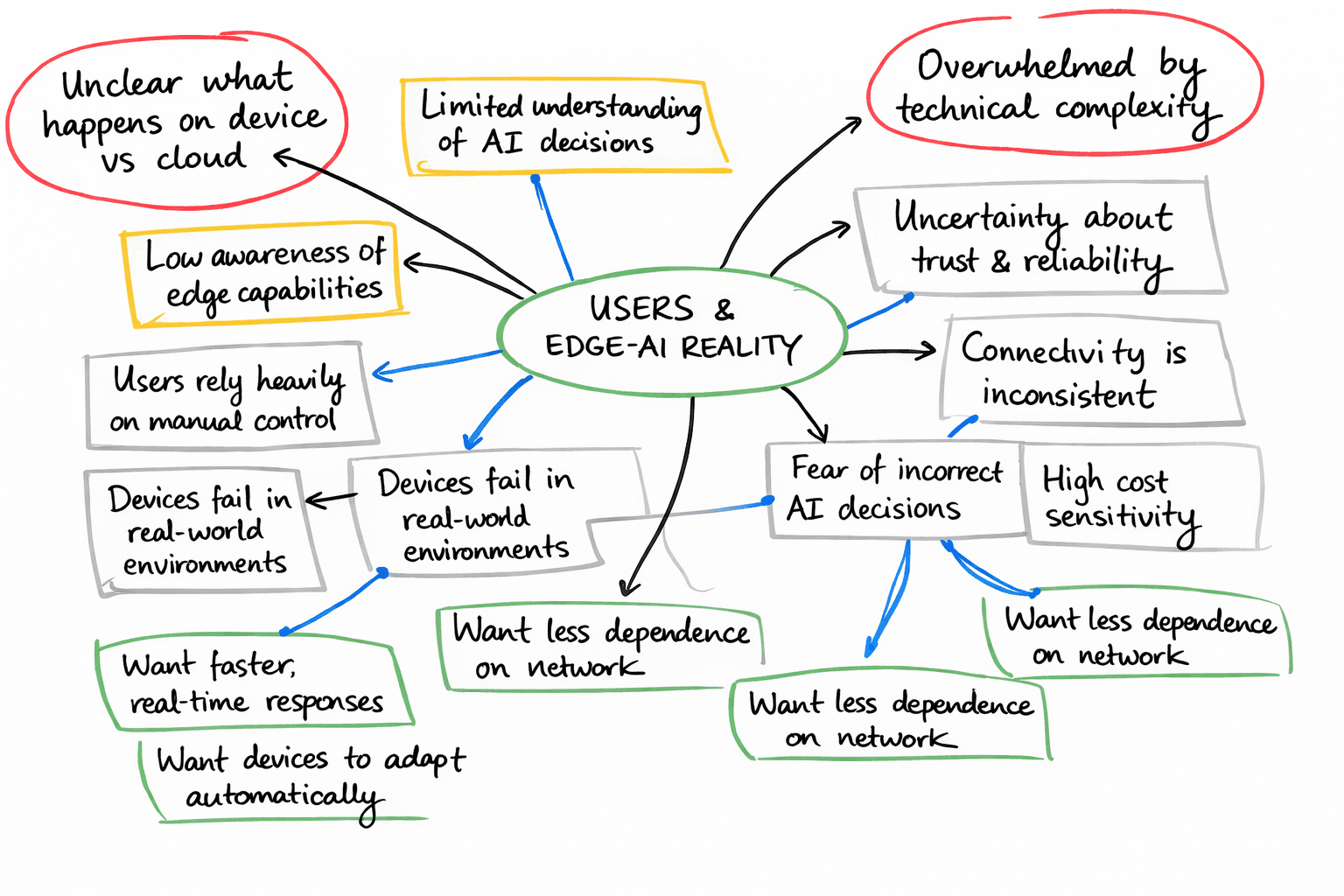
To identify meaningful opportunities for AI on edge devices, we conducted interviews with users from four key domains: automotive, wearables, drones and robotics, and home appliances.
The goal was to understand their everyday frustrations, how they interact with current products, and where existing systems fall short. These conversations helped us validate assumptions, uncover real pain points, and see patterns that shaped our later concepts.
Exploring A Potential Use Case
Extending the project through my own post-internship exploration.
After my internship ended, I continued exploring the problem space on my own to understand how edge-based AI could support more personal, real-world scenarios. One idea I developed further was a concept for helping people with food allergies make safer choices while traveling.
Although this use case was not part of the original internship scope, it allowed me to independently investigate how on-device AI could offer fast, reliable assistance without depending on internet connectivity.
User Persona
Understanding who this concept supports.
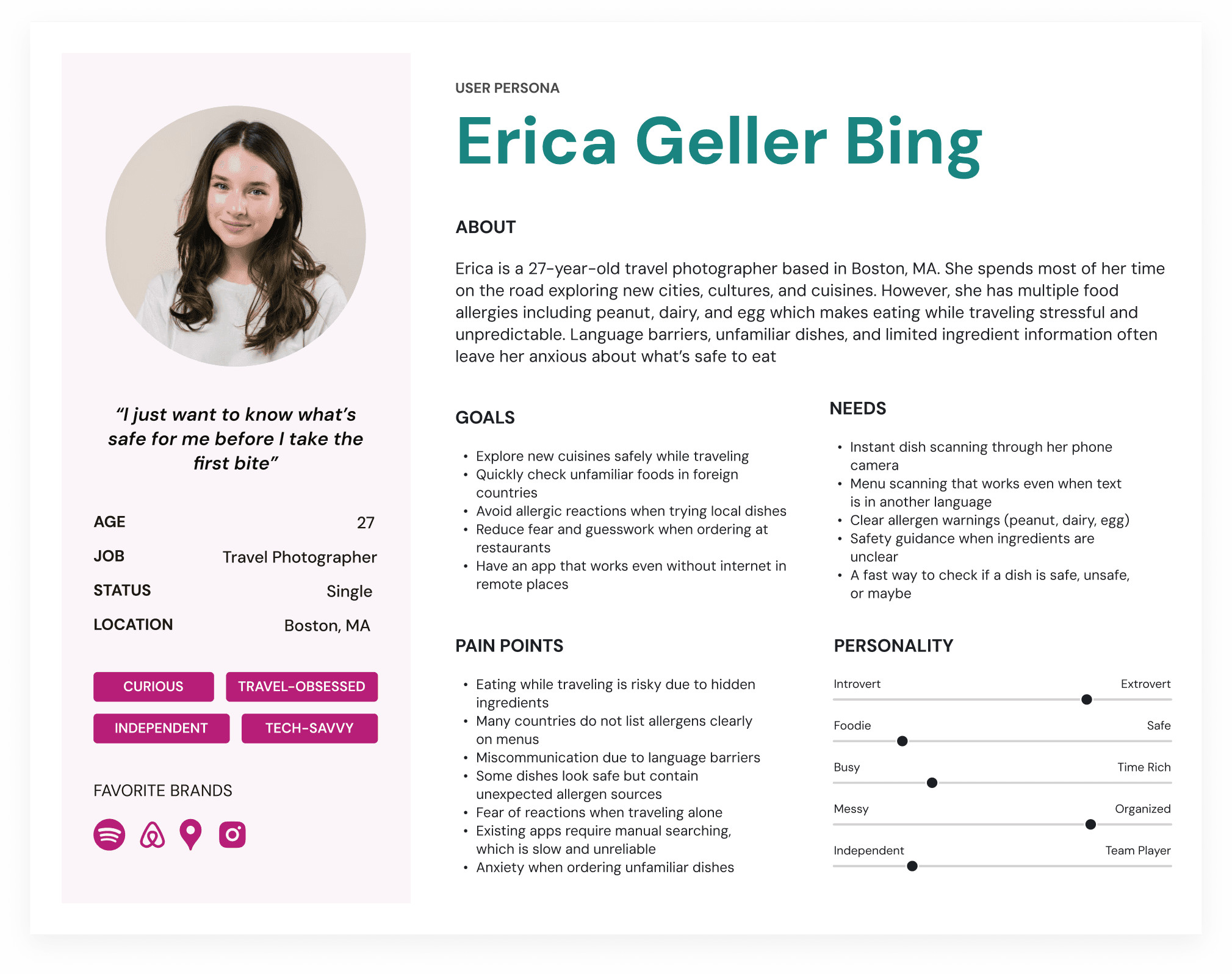
Erica is a frequent traveler with multiple food allergies who struggles to identify safe dishes while abroad. Language barriers, unclear menus, and hidden ingredients make eating risky, and she needs a quick, reliable way to check food safety without depending on the internet.
Introducing Savor
A quick way to check food
safety anywhere.
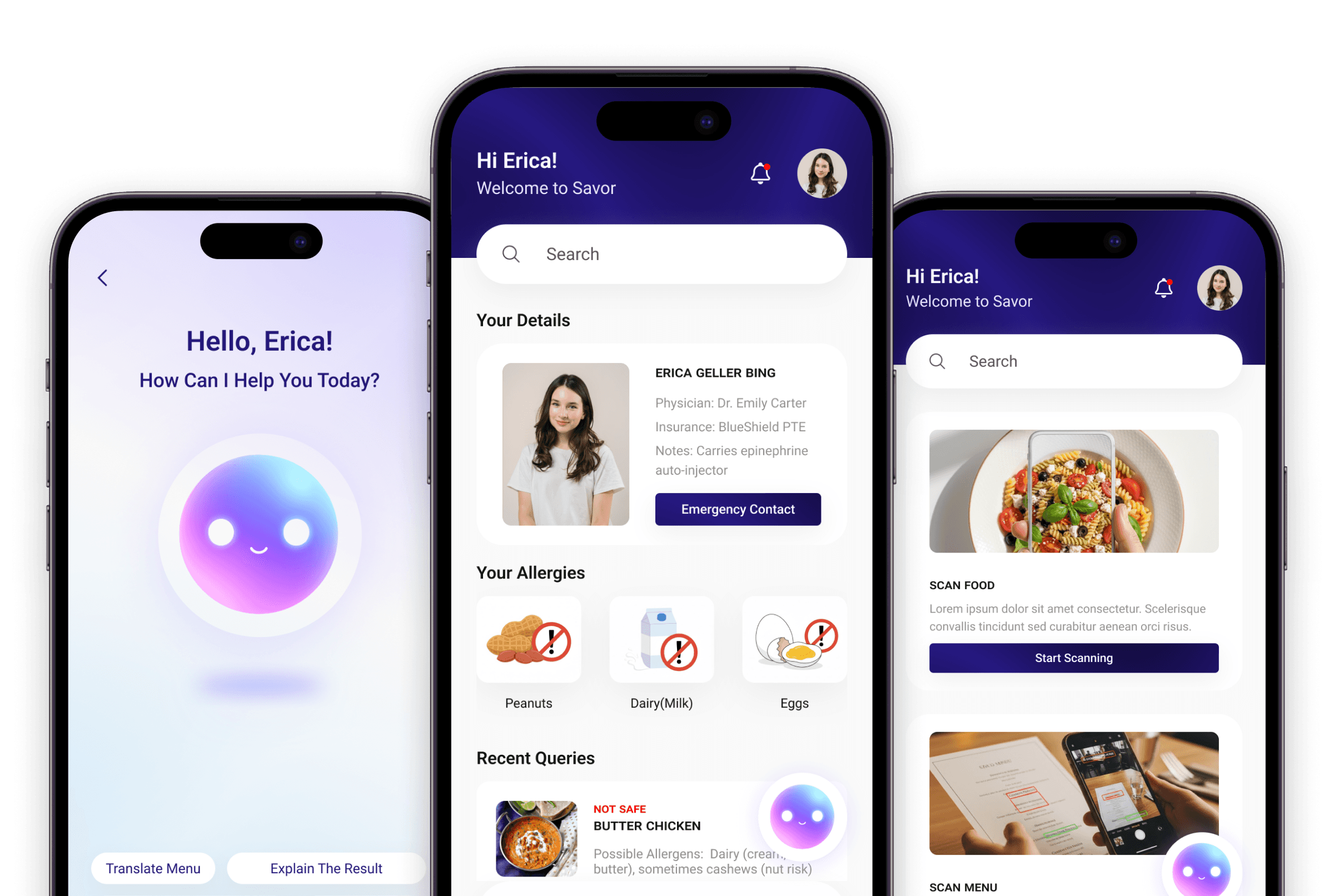
Savor is an exploratory concept that lets users scan dishes or menus to detect potential allergens using only their phone camera. Designed to work even offline, it helps travellers make safer food decisions in unfamiliar places by identifying risky ingredients in real time.
USER INTERFACE
How The Users Are Going
To Updated
All sensors connect to a companion app that provides instant updates, real-time readings, and quick alerts to keep users informed and protected.
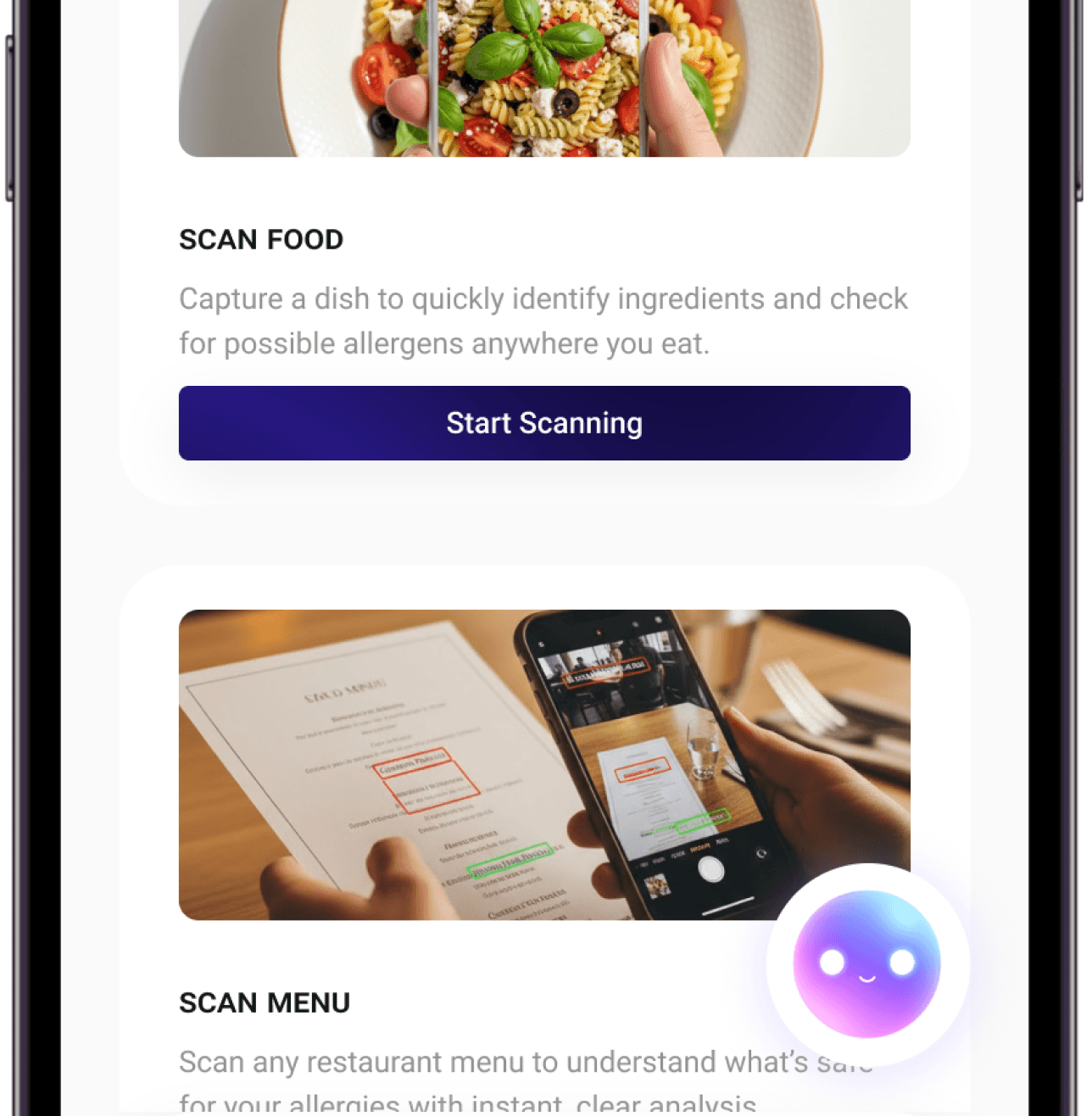
Instant Dish/menu Scan
Identify allergens instantly by pointing your camera at any dish/menu .
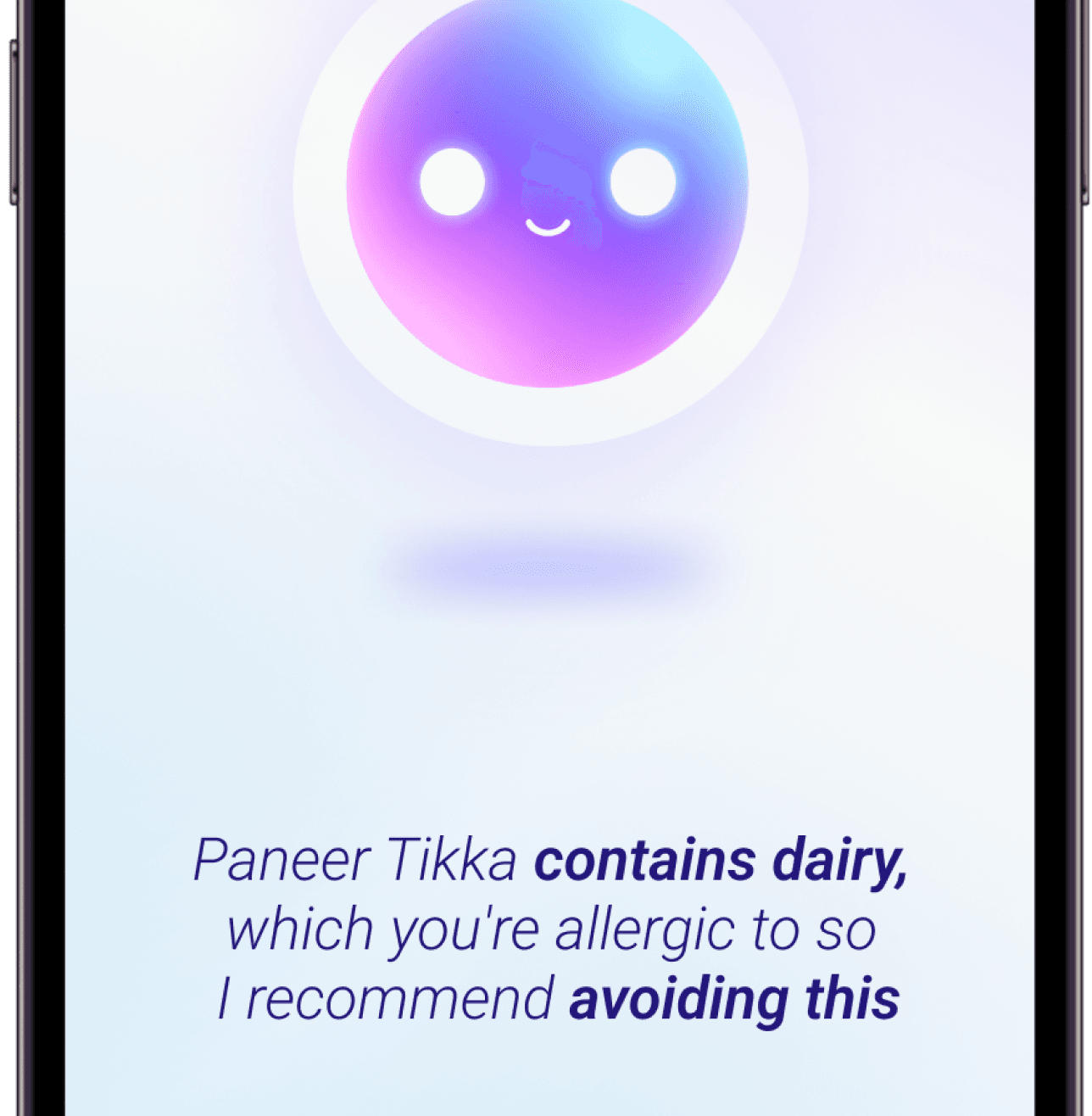
Clear Allergen Alerts
See whether a dish is safe, unsafe, or uncertain within seconds.
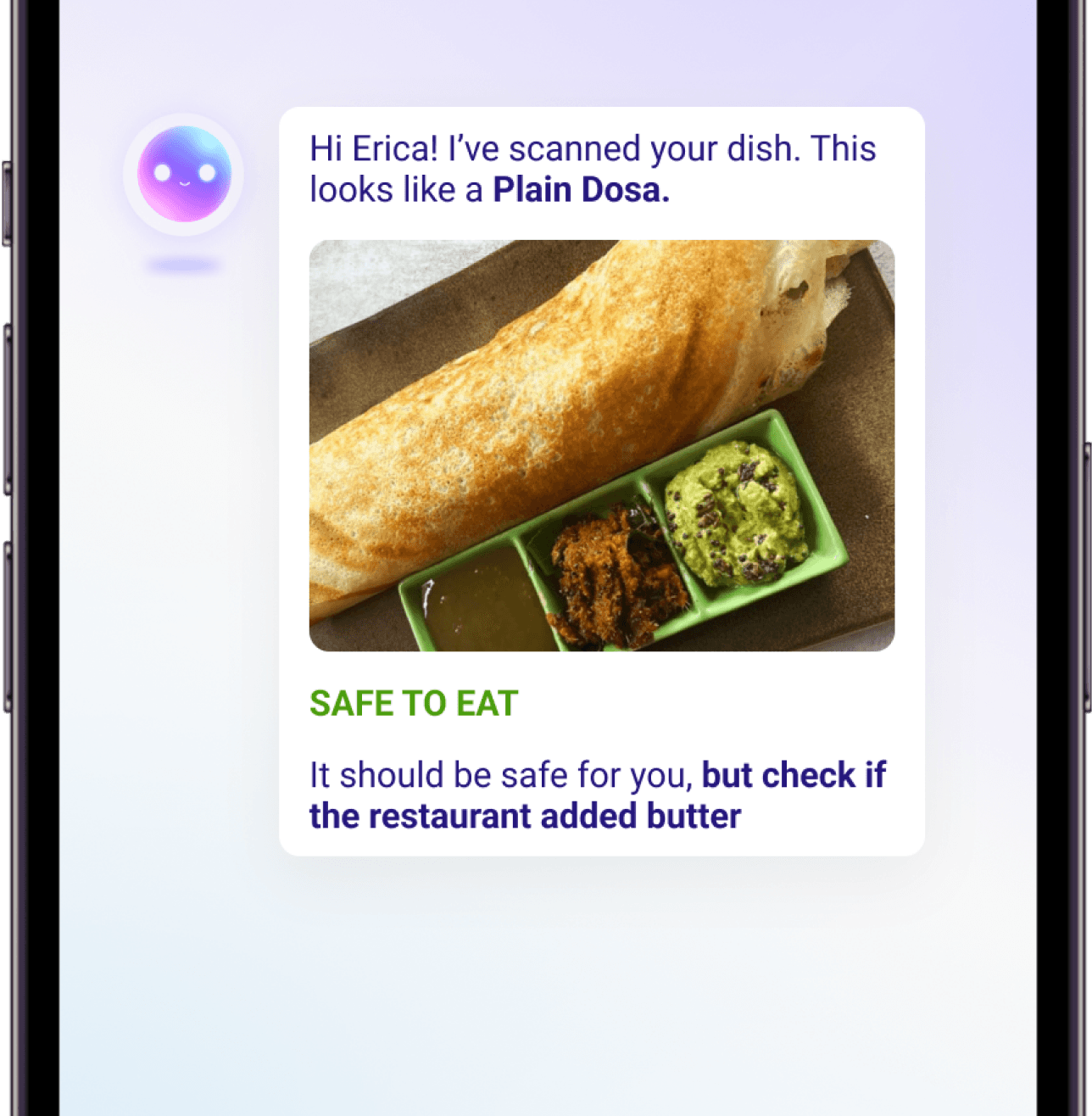
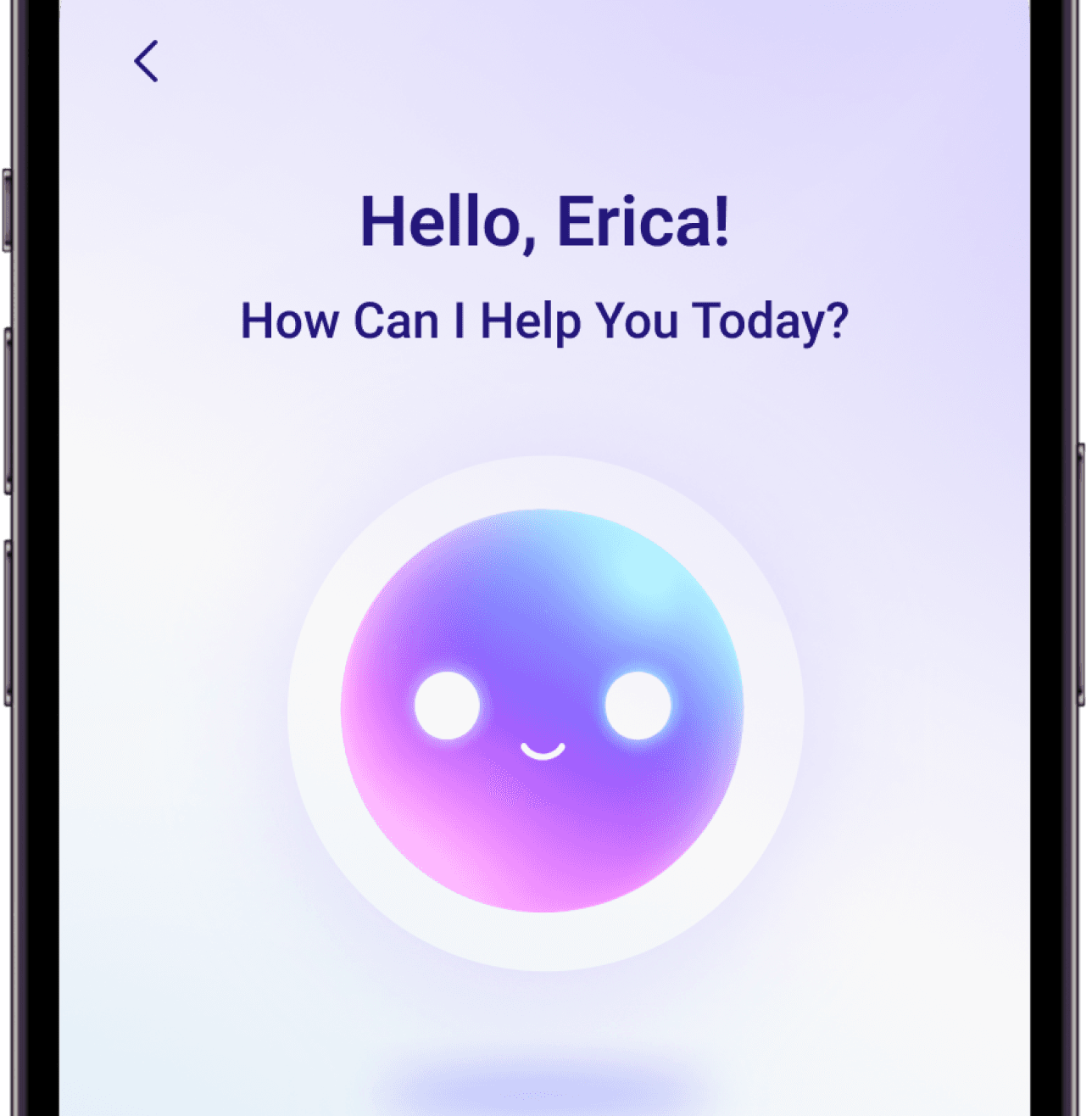
Voice-Controlled Assistance
Ask questions or check dishes hands-free through a conversational bot interface.
Travel-Friendly Guidance
Receive simple, context-based safety suggestions when trying new cuisines.

WHAT I LEARNT
What Worked & What Didn’t
This internship helped me understand how to design within real technical constraints, especially when working with emerging technologies like edge-based AI. I learned how to ground ideas in actual user needs, validate assumptions through structured research, and translate scattered insights into clear opportunity areas.
Collaborating with product managers, researchers, & engineers also gave me a deeper appreciation for how early-stage concepts are shaped through feasibility & cross-disciplinary discussions. This experience strengthened my ability to think critically, work systematically, & approach innovation in a practical and user-centred way.