Solana Case Study.pdf
Search
HOW DID WE
Enhance Sun protection using wearable technology


wearable Technology
Solana
2 Weeks
A wearable concept designed to merge health awareness with everyday use. It monitors environmental & body factors, providing instant feedback to help users stay protected, comfortable, & informed throughout their day.

Aditi Karthikeyan
Unitedworld Institute of Design

Kanak Patil
Unitedworld Institute of Design
Publication Recognition
HCI International 2025:
Springer Publication
Solana: Integrating Wearable Technology for Enhanced Sun Protection, was selected for presentation at HCI International 2025 and has been published in the Springer proceedings of HCI International 2025 under the conference track Human-Centered Design, Operation and Evaluation of Mobile Communications.
The research paper was presented in June 2025, virtually at the conference at Gothenburg, Sweden, highlighting the project’s potential to redefine wearable technology in the domain of health and sun protection.
eBook ISBN: 978-3-031-93064-5
Print ISBN: 978-3-031-93063-8



here is a quick question
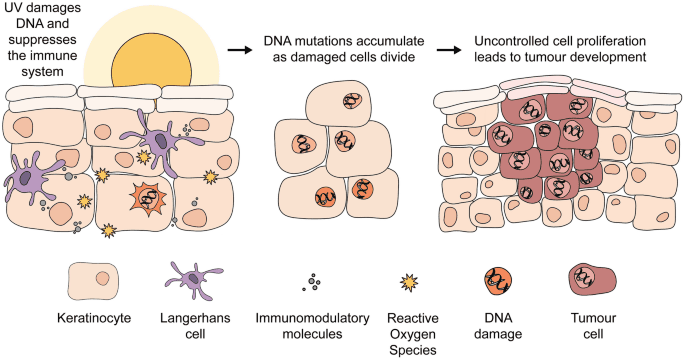
Ever stepped out on a sunny day, feeling like a rotisserie chicken halfway through cooking?
Sunblock Confessions
uncovering people's sun protection habits (or lack thereof)
So, we set out to see if it was just us or if everyone was winging sun protection. We talked to people, asked about their routines (or lack of them), what they used, what they knew, & where things went wrong.
Age group
15-50
total samples
51
insights
What we found out from surveys
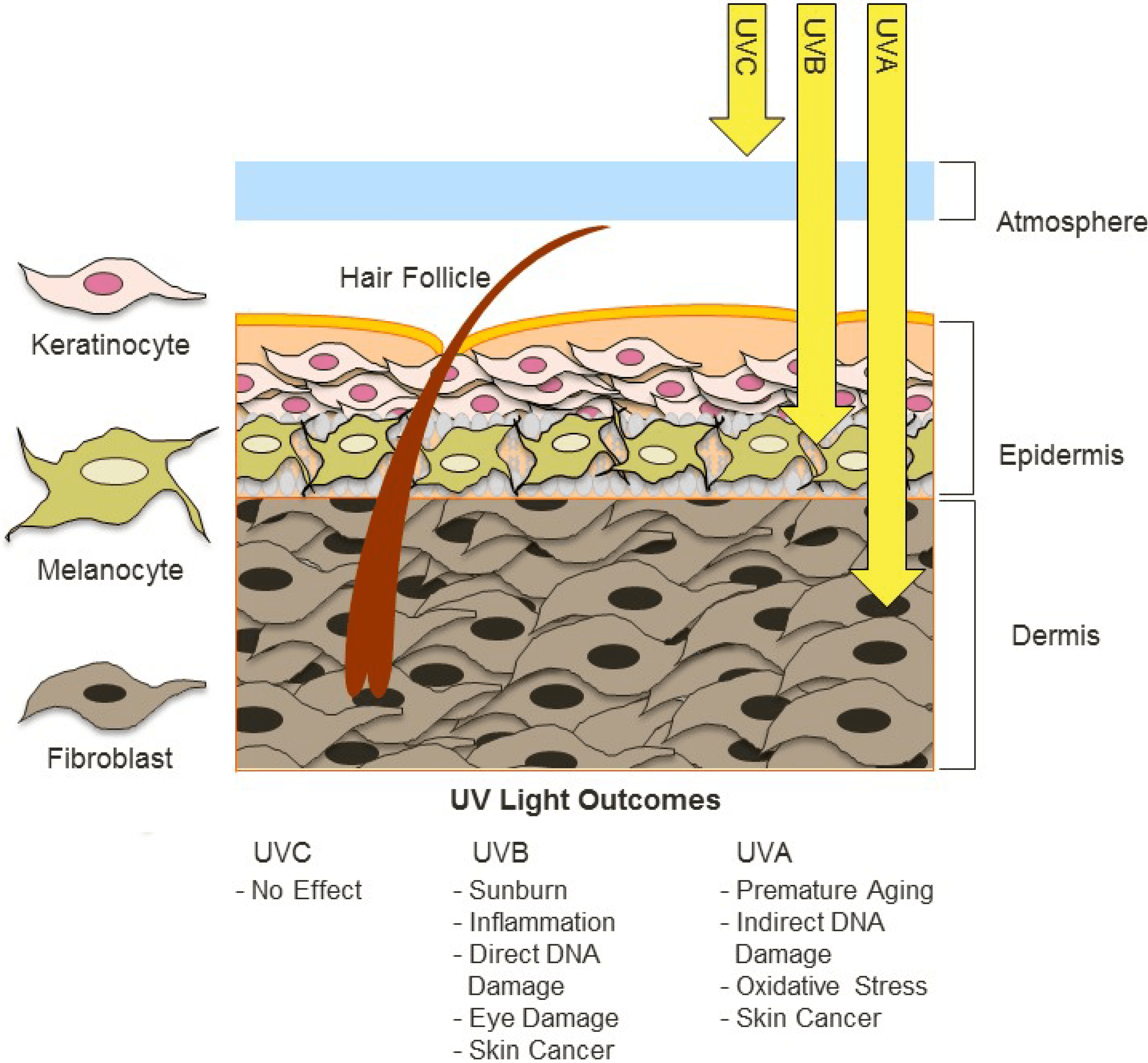
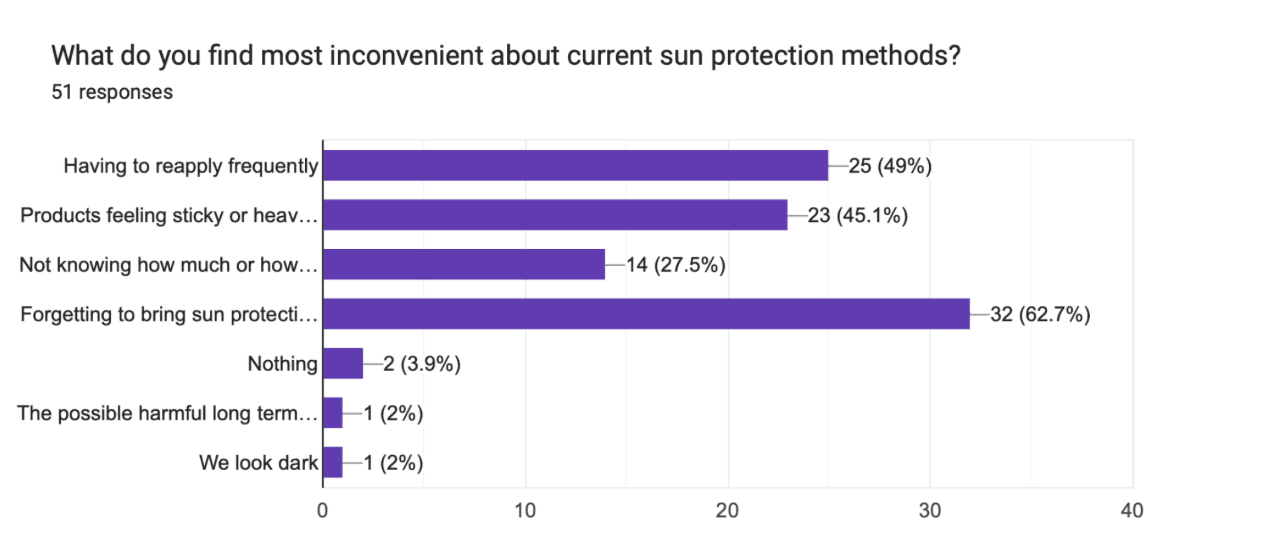
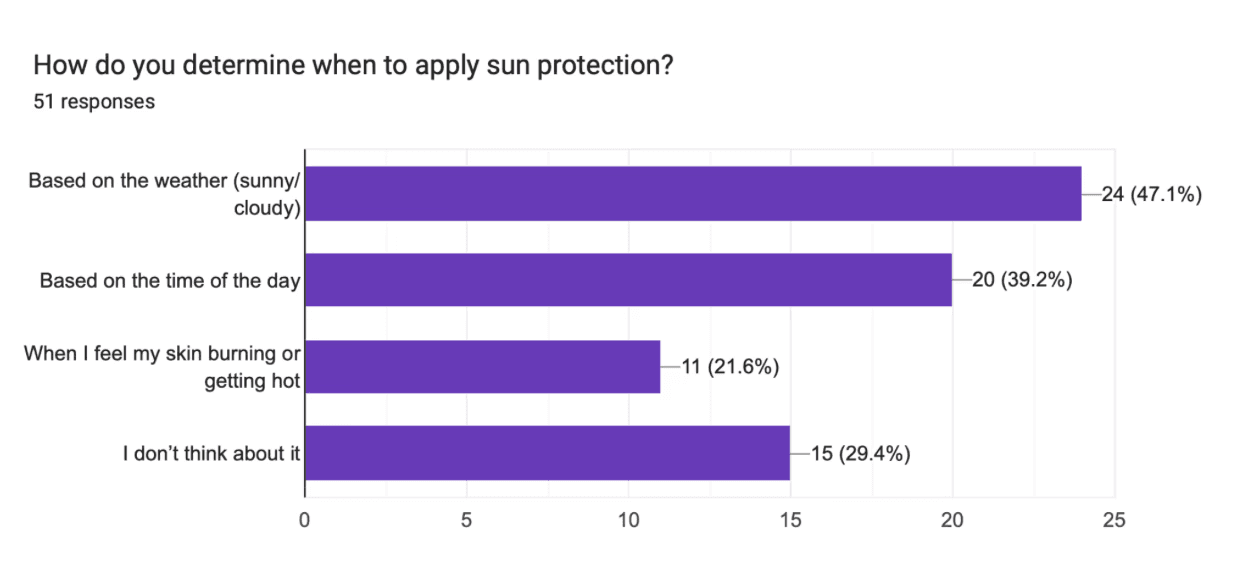
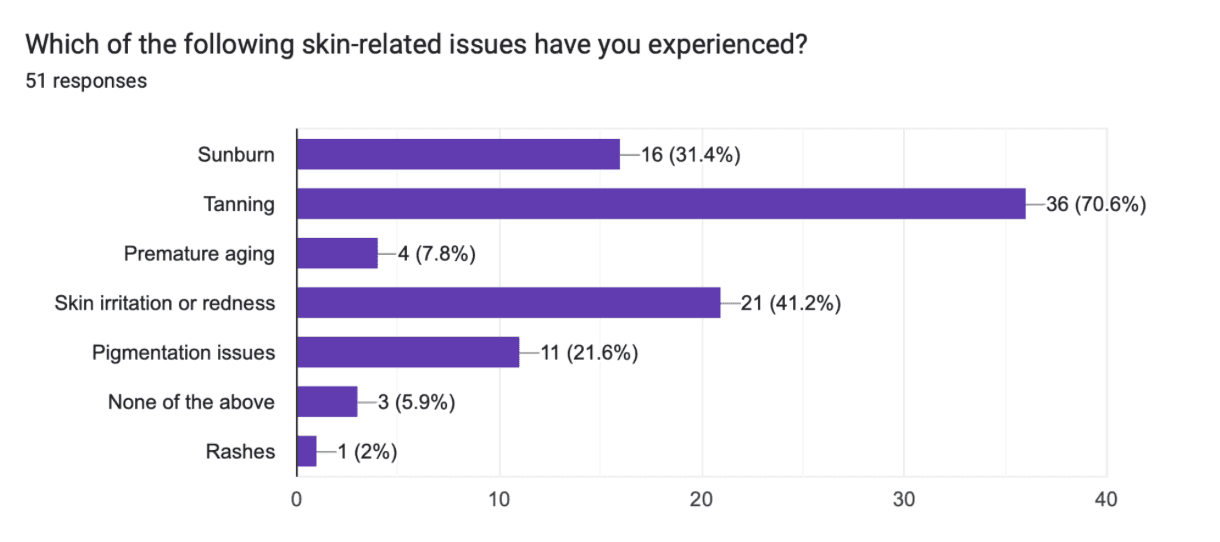
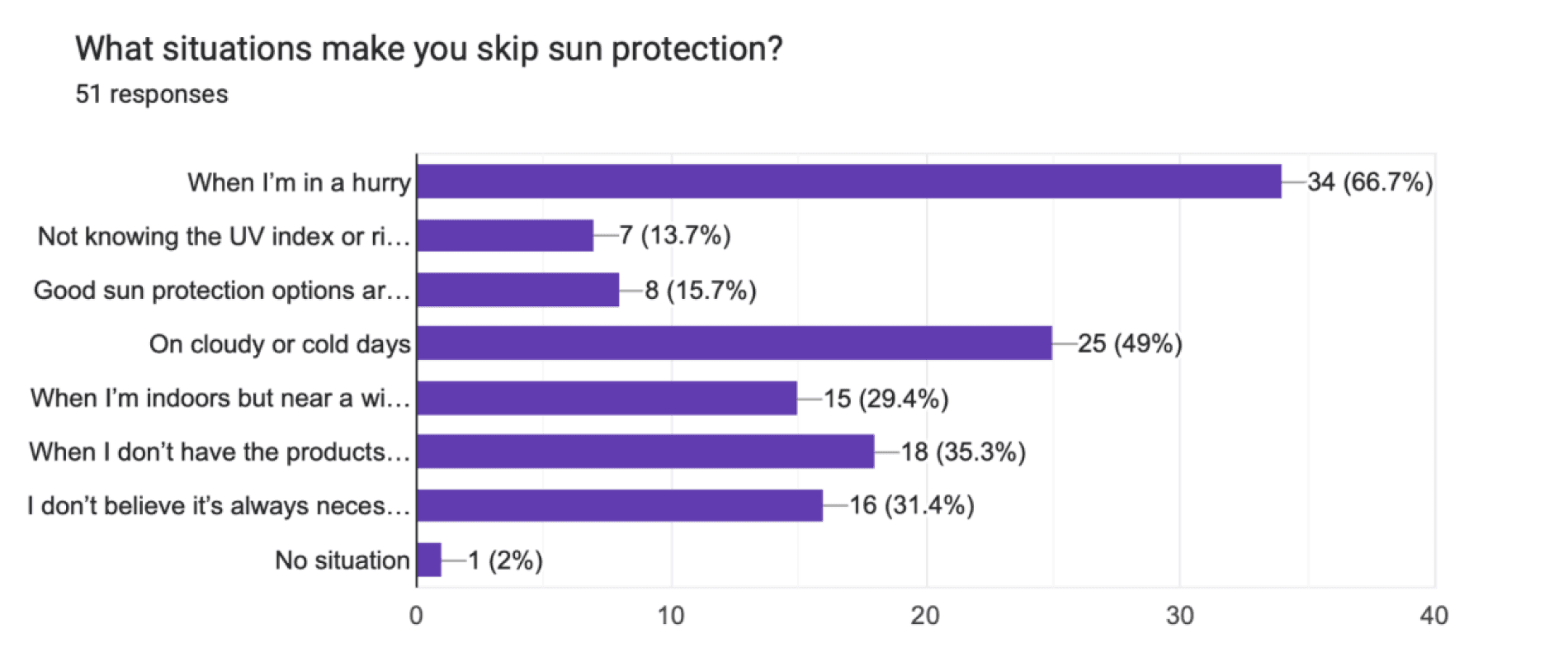
Turns out, most people think they’re doing enough or were forgetting sunscreen, not knowing how much to use, even those aware of UV damage admitted to skipping protection simply because they forgot or didn’t have the time.
aware about the harmful
effects of uv
don’t have the time to find
out is needed
admitted to frequently forgetting sun protection
beyond numbers
what do people really think?
With these results in hand, I wanted to talk to people in person to see if the numbers reflected reality. I also wanted to understand their mental models and attitudes toward sun proctection.
If I’m indoors most of the time, do I still need to keep reapplying?
I thought sunscreen was a ‘once and done’ thing?
Some days I need it more, some days less, how do I figure that out?
How often do I need it? Some say every two hours, some say once a day, who’s right?
Age group
15-50
total samples
25
re-defining the problem
Then what Is the Actual Problem?
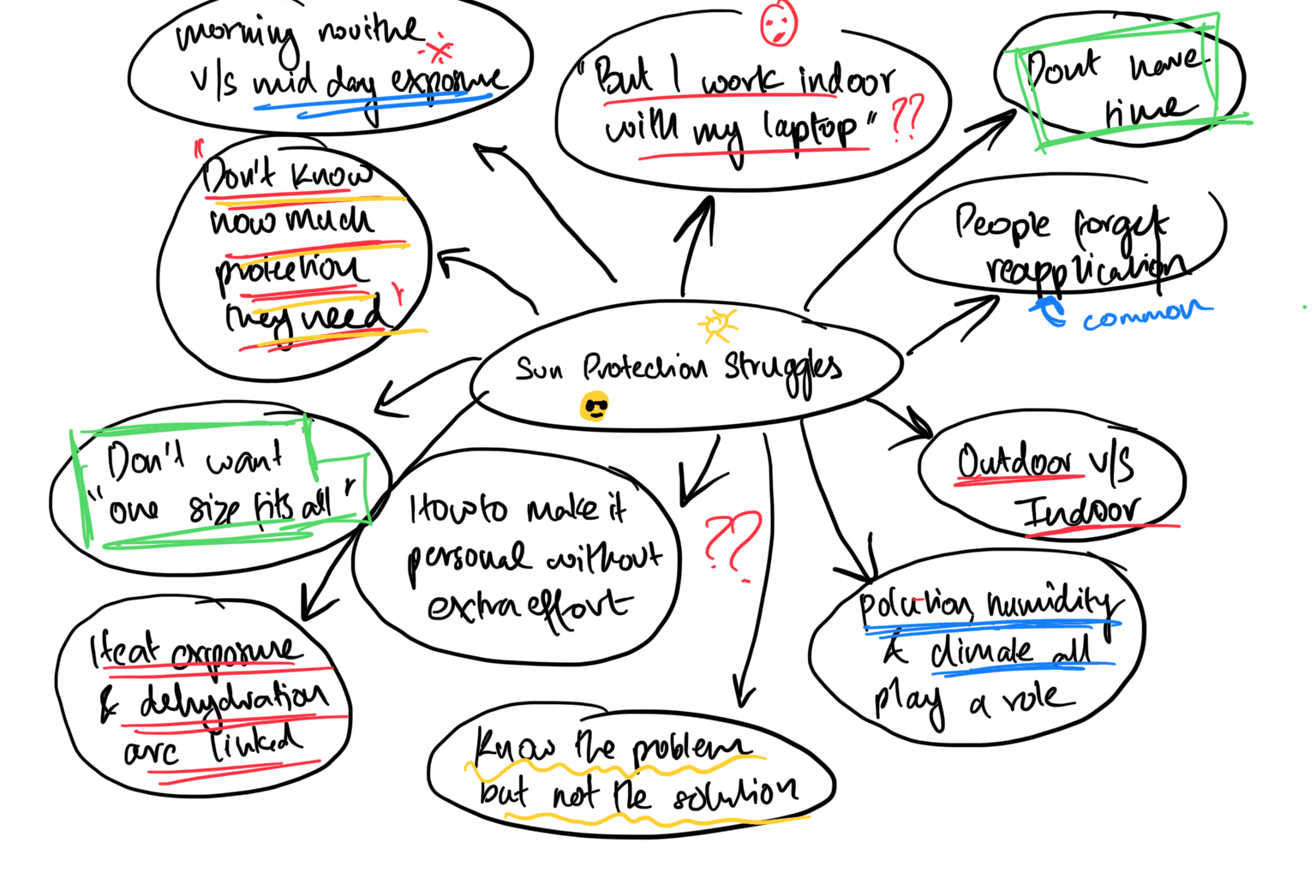
People know sun protection matters, but the ‘one-size-fits-all’ approach and factors like forgetfulness, inconvenience, and lack of clear guidelines leaves them unsure of what actually works for them and with no time to figure it out end up skipping it altogether.
ideation
How can we help out??
There’s no shortage of sun protection methods, the problem isn’t that they don’t work, it’s that they don’t work the same for everyone. With unique skin types, routines, and lifestyles, people need a way to know exactly what works for them without the hassle of figuring it out on their own.
Introducing solana
earphones that help you with
sun protection (yes you read
that right)
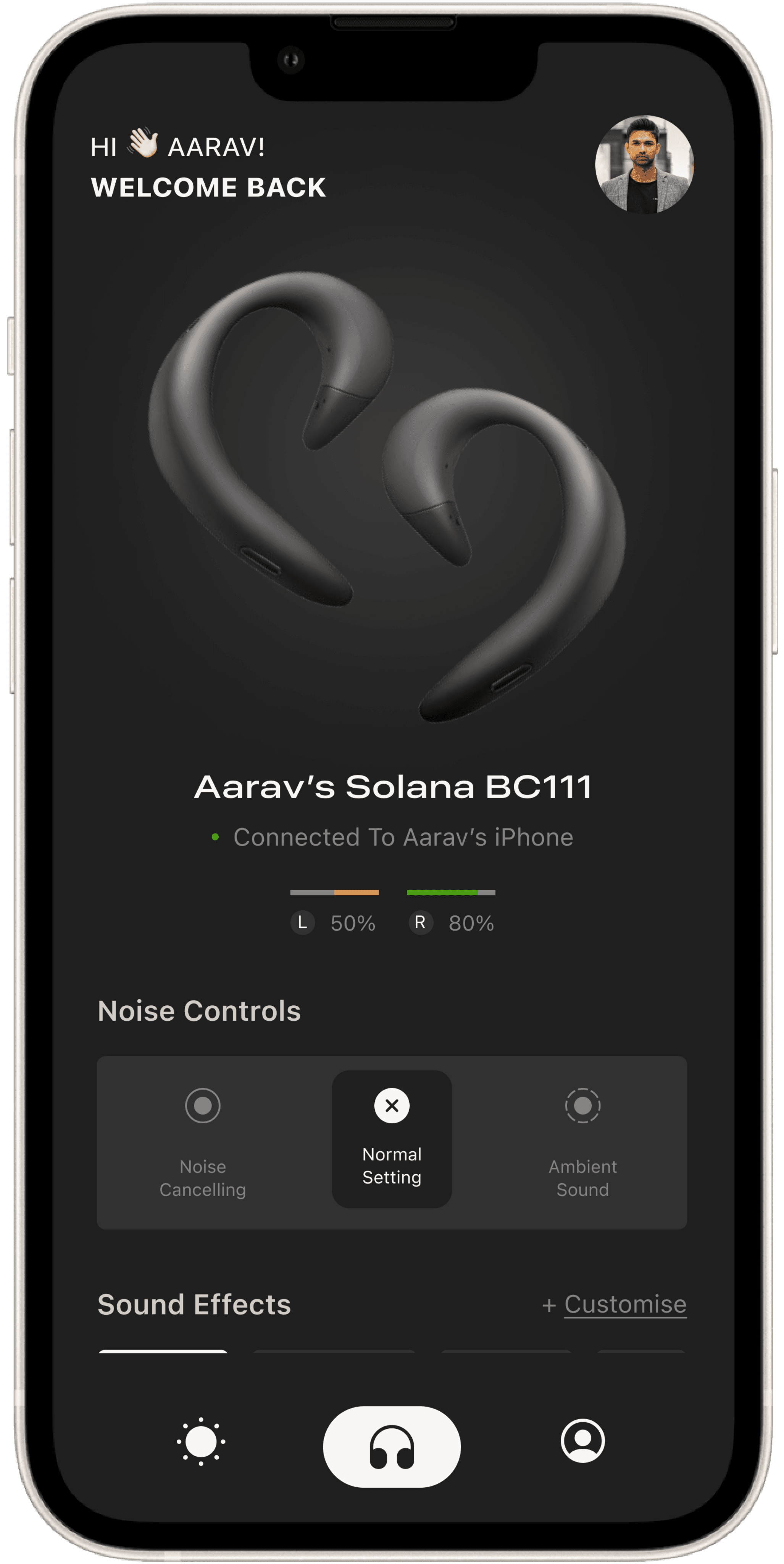
Bone Conduction Earphones that adapts to your individual needs by monitoring your UV exposure, skin pH, and body temperature to ensure real-time alerts and tailored recommendations, that make sun protection effortless and effective all while playing your favourite beats!
we never forget them!
why are earphones the best way to go about this?
one of the few wearables people use daily, making them the perfect medium for effortless integration. Positioned close to the face and ear canal, they offer accurate temperature readings, easy UV detection, and real-time feedback without adding anything extra to the user’s routine.
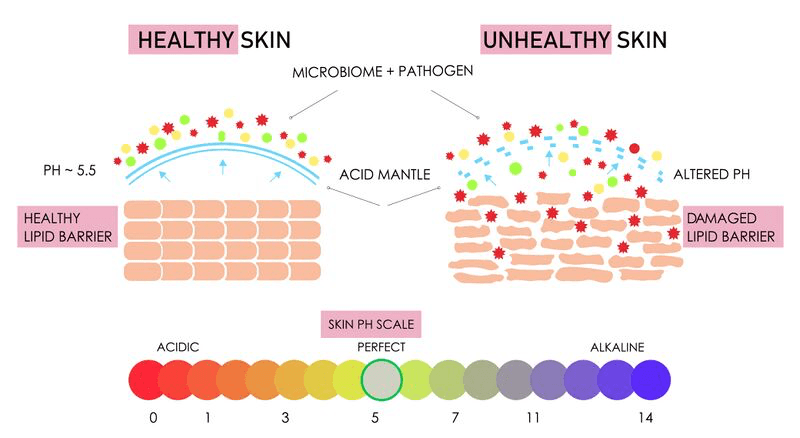
Your skin pH allows a better understanding of your unique sun protection needs.
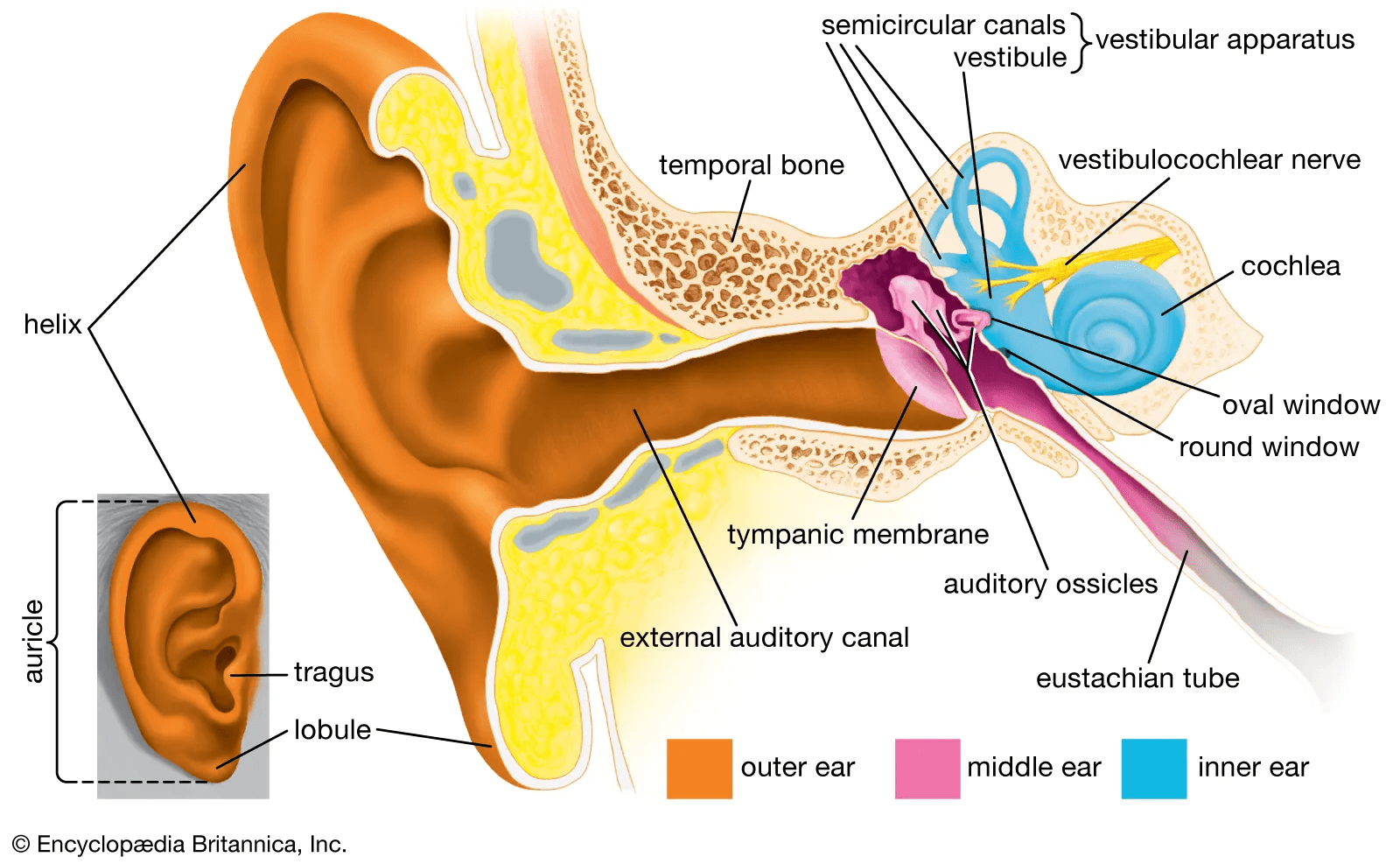
Tympanic membrane is directly responsible to regulte body temperature
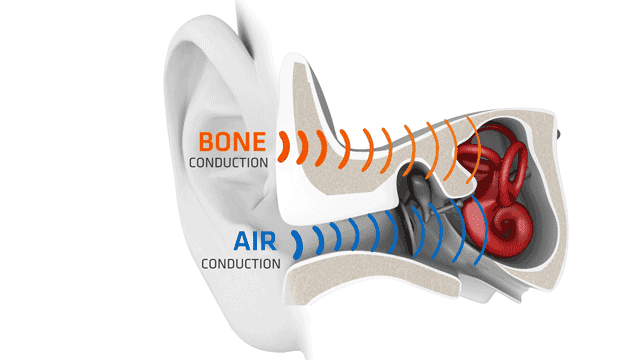
Bone conduction keeps you aware of your surroundings while ensuring protection.
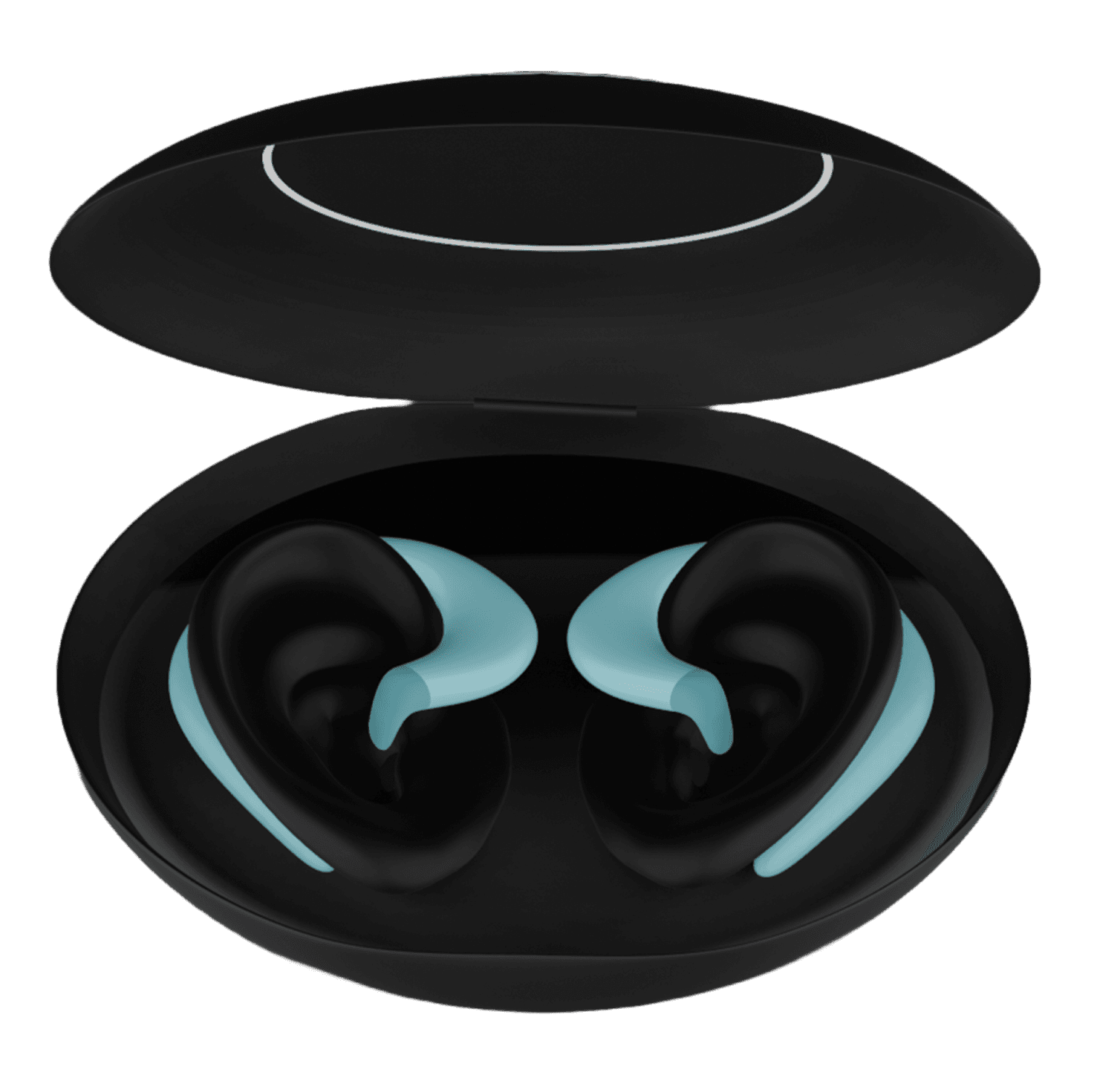
FINAL PRODUCT RENDER
A Closer Look Of The Earphones
Carefully designed to fit a variety of ear shapes and sizes. It adapts seamlessly to different users, making it practical for everyday wear without compromising on style or function.
sensors used
how does this come together?
The NTC Thermistors embedded near the ear canal provides accurate core body temperature readings, and the skin pH sensor evaluates the skin’s surface condition to track hydration and barrier health.
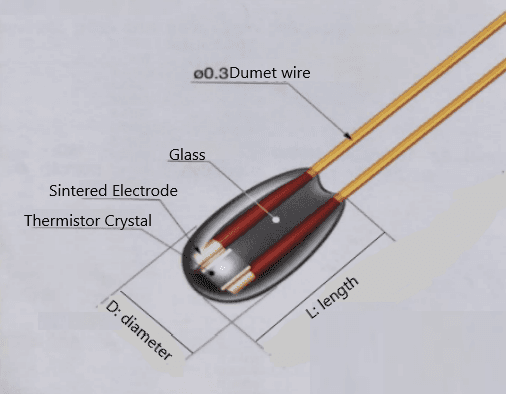
NTC Thermistors measures the body temperature
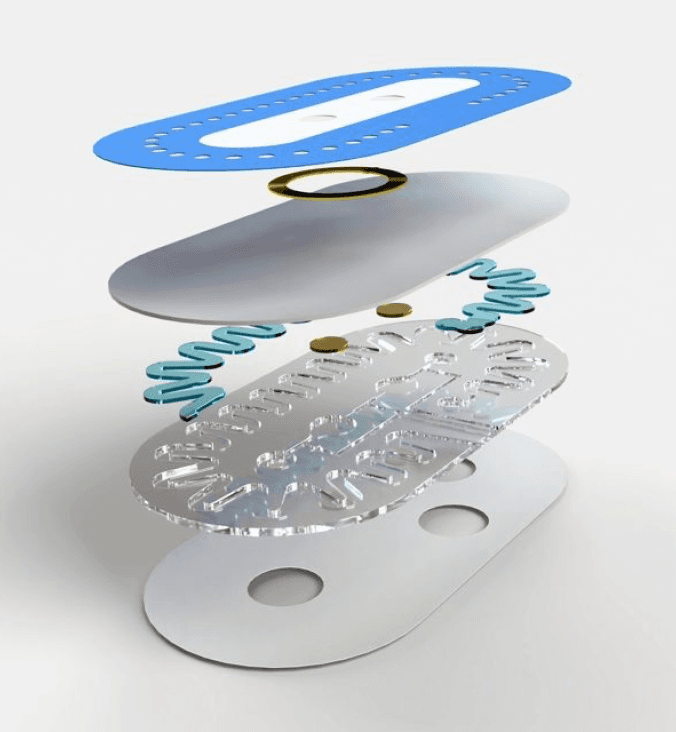
skin pH sensor
measures hydrogen ion level in skin
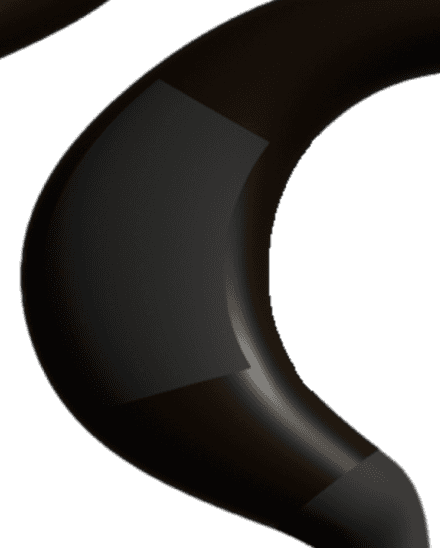

skin ph sensor

Ntc thermistors
USER INTERFACE
How The Users Are Going
To Updated
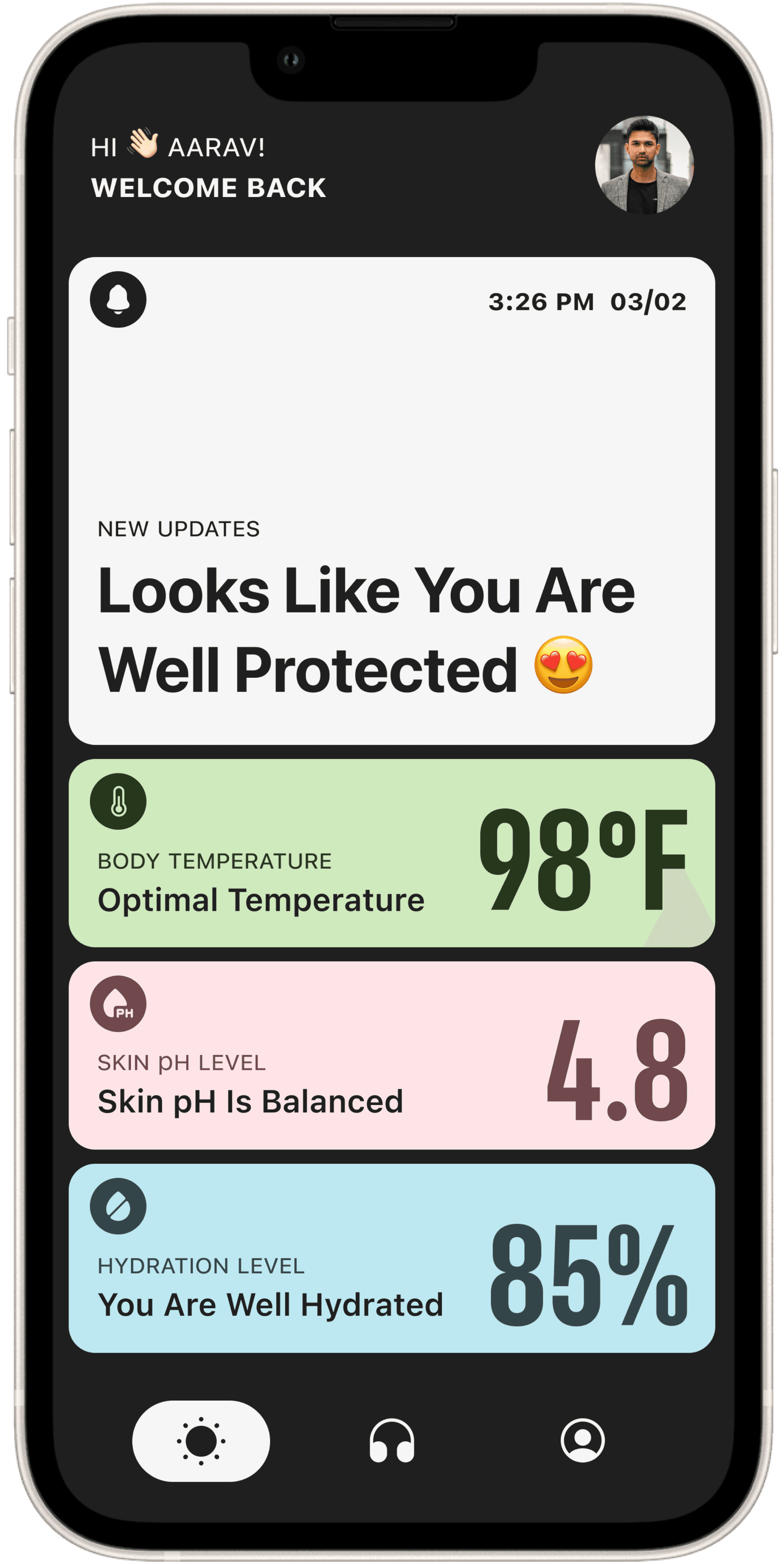
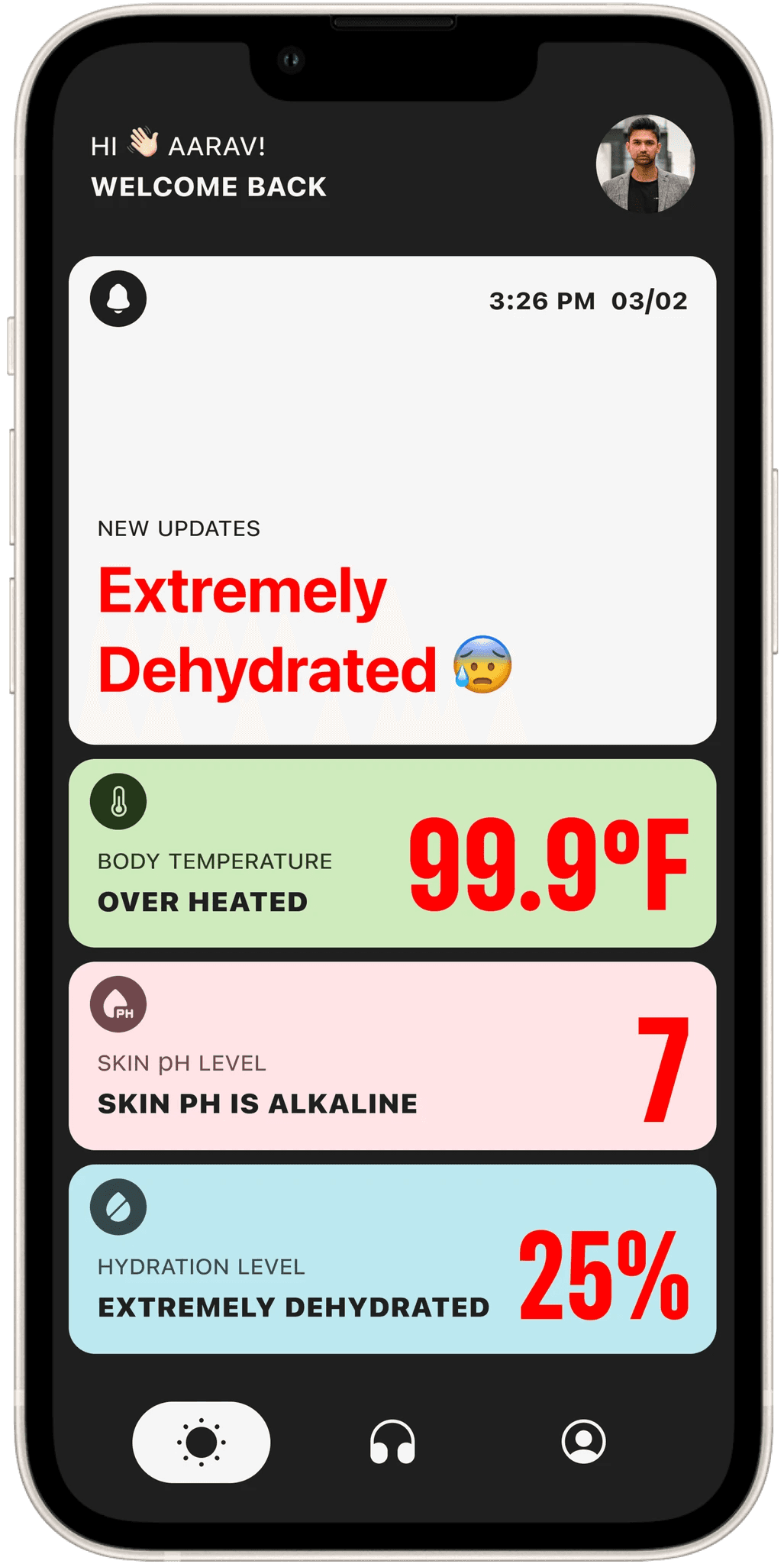
All sensors connect to a companion app that provides instant updates, real-time readings, and quick alerts to keep users informed and protected.
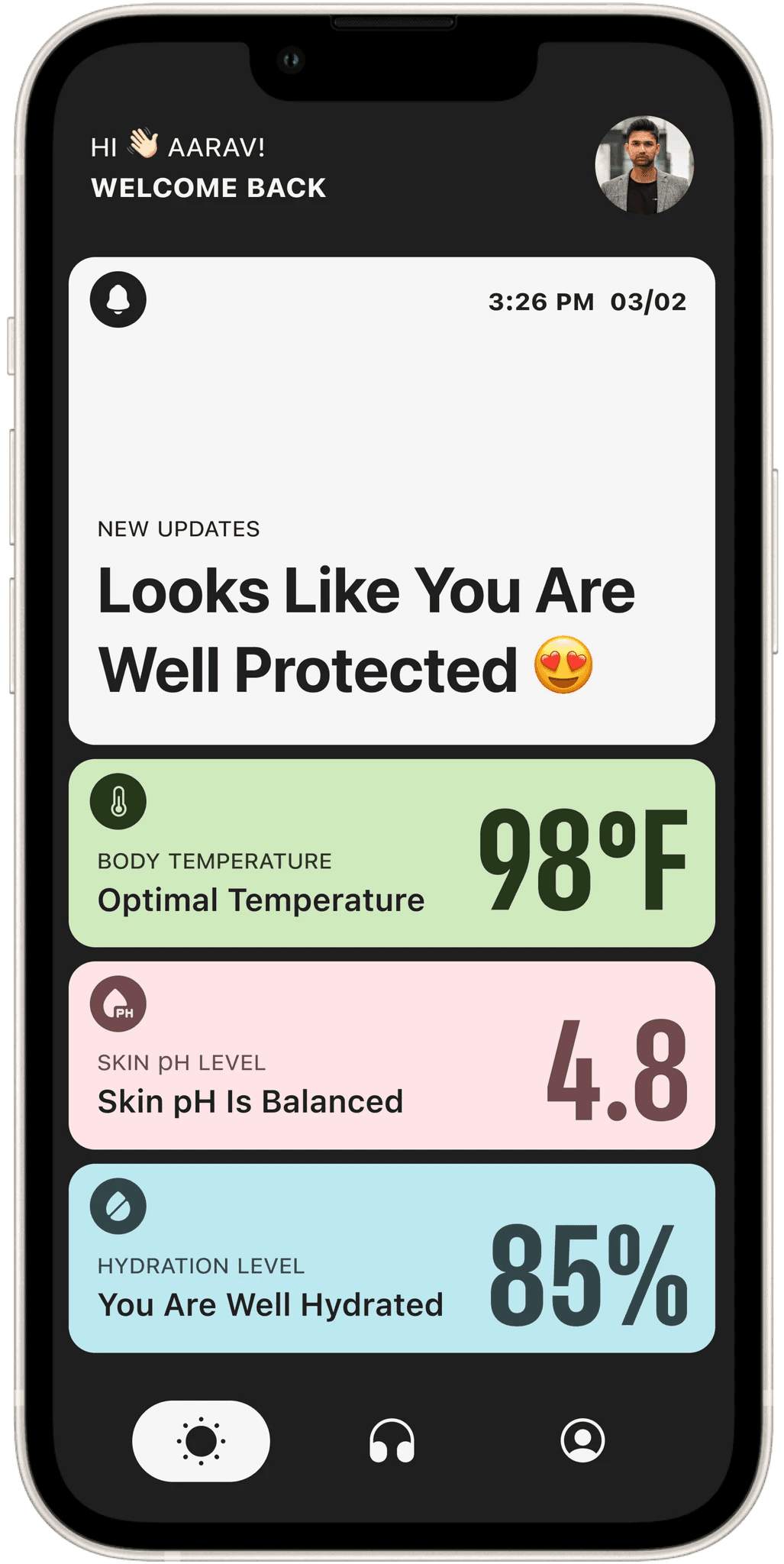
SIMPLE DASHBOARD
Stay updated on your skin’s condition and get timely protection reminders
instant updates
Know instantly when your skin needs immediate attention.
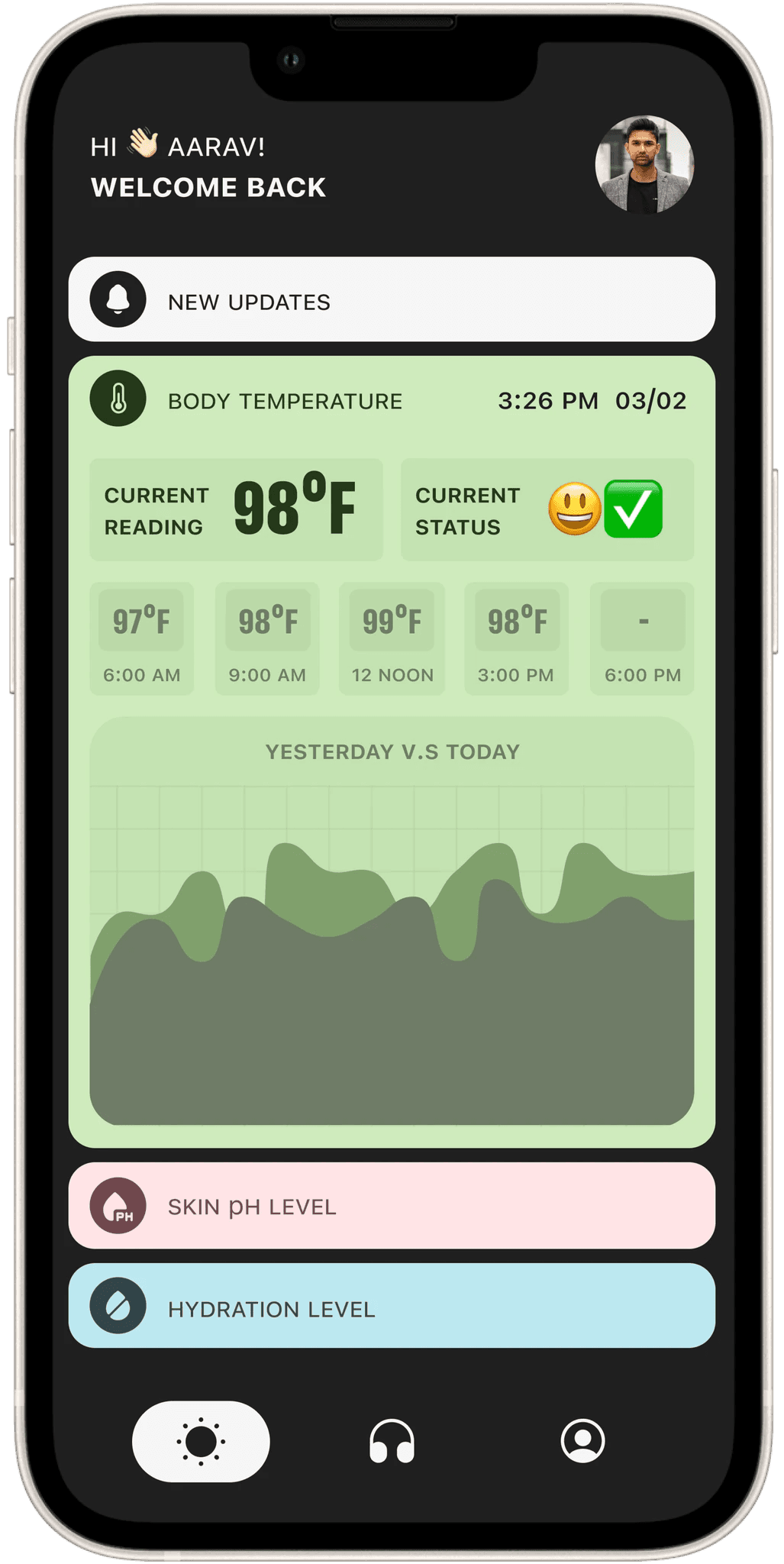
DETAILED INSIGHTS
Tap for a detailed breakdown of your skin health and exposure for the day
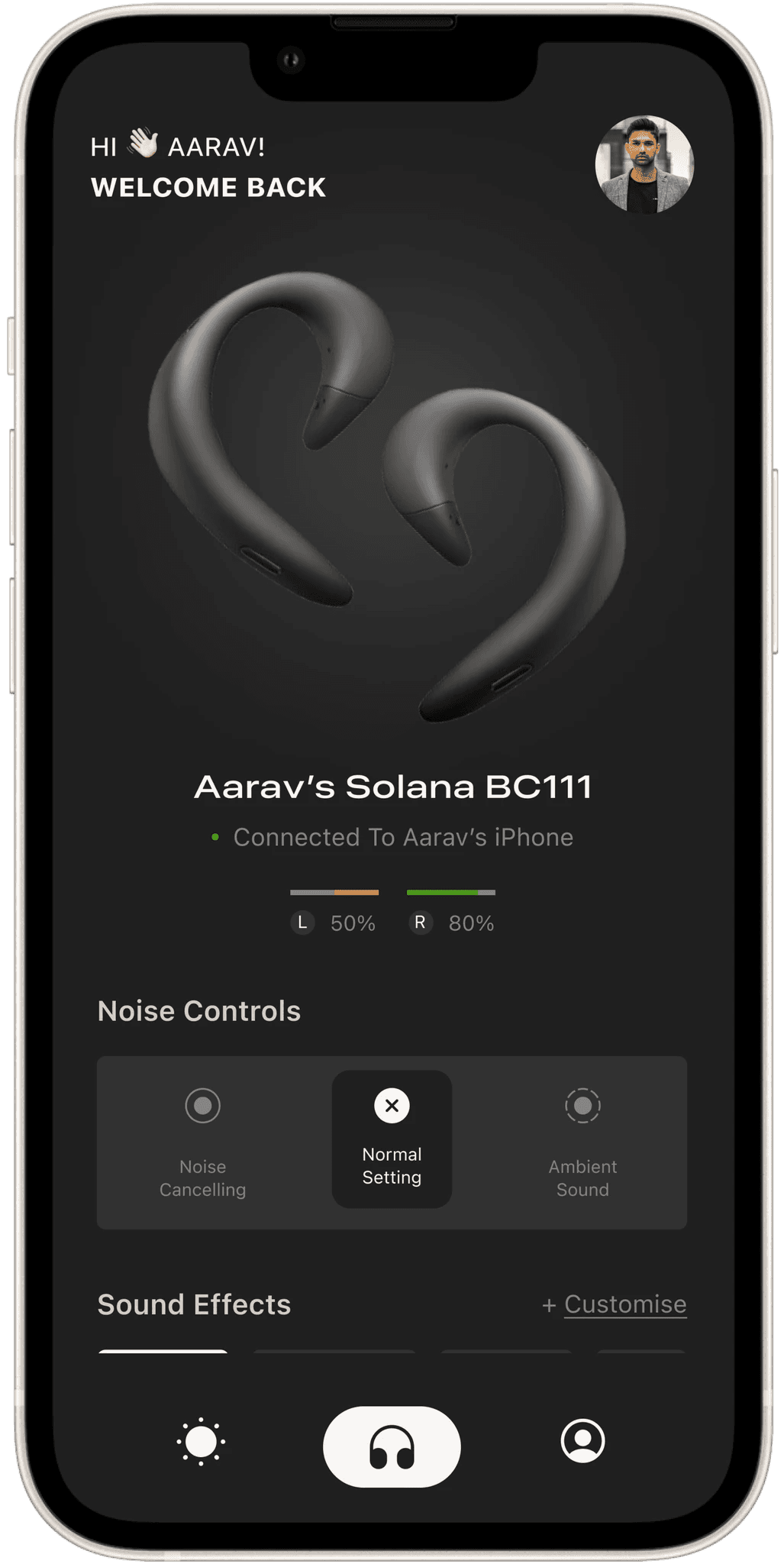
Sound Control
Adjust sound effects effortlessly, just like any other earphones

WHAT I LEARNT
What Worked & What Didn’t
As Interaction Design students, we’re used to designing for screens, but this project pushed us into uncharted territory. Figuring out the right ergonomics, materials, and sensors wasn’t just about making something look good; it had to feel right, work seamlessly, and actually help users in their daily lives.
Balancing accuracy with comfort, and technology with usability, was a challenge, but the process was incredibly rewarding. From countless iterations to hands-on testing, we learned that great design isn’t just about interfaces it’s about creating experiences that truly integrate into people's lives.